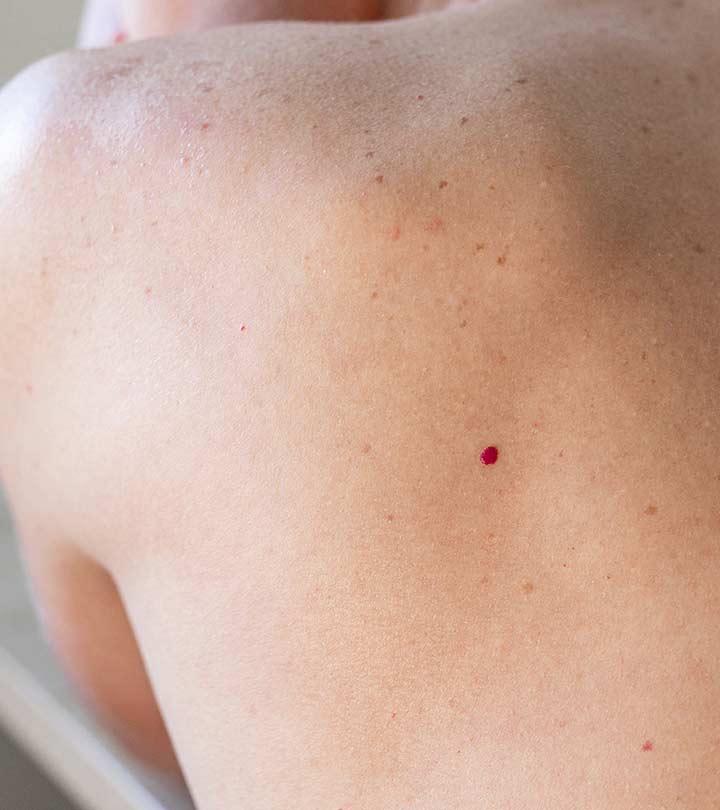
New Skin Tags? Why They Develop & Clinically Accepted Next Steps Ubie Doctor's Note
New Skin Tags? Why They Develop & Clinically Authorized Following Actions Ubie Medical Professional's Note
Without appropriate strategy and a sterile environment, the danger for excessive bleeding and infection rises. Correct moisturizing representatives help advertise skin regrowth and decrease the risk of irritant dermatitis. Skin tags, although harmless, can be gotten rid of for cosmetic factors or if they create discomfort.
Why Skin Tags Enhance With Age Over Time
- Skin tags prevail benign skin growths typically located where skin rubs against skin or apparel.
- While the specific reason isn't constantly clear, several clinically identified aspects boost the probability of creating them.
- Cryotherapy (Freezing) Liquid nitrogen is related to the skin tag to freeze it off.
- A full-service dermatology team offering services generally dermatology, skin cancer discovery and treatment, Mohs surgery, visual appeals, and allergy.
- As people age, the skin naturally undergoes architectural changes-- consisting of a gradual loss of collagen and elastin, which are proteins that keep skin company and resistant.
When it concerns your health, quality and very early examination are constantly far better than thinking. If anything shows up serious, unusual, or lethal, seek healthcare right away. Removal is commonly done for convenience or cosmetic factors. They are not infectious and do not spread from a single person to another.
Appearance And Causes Of Skin Tags
Dr. Afshar recommends versus attempting to cut or cut them off by yourself because of the danger of severe bleeding, infection or scarring. Constantly make certain any type of item you use is risk-free for your skin type. If you are unclear, ask your doctor for guidance prior to starting at-home therapies. Most notably, a protuberance is brought on by a virus and is transmittable. It can spread to other individuals, or to other components of your body. PCOS is a hormonal problem usual amongst females of reproductive age, characterized by enlarged ovaries with small cysts on the external sides.